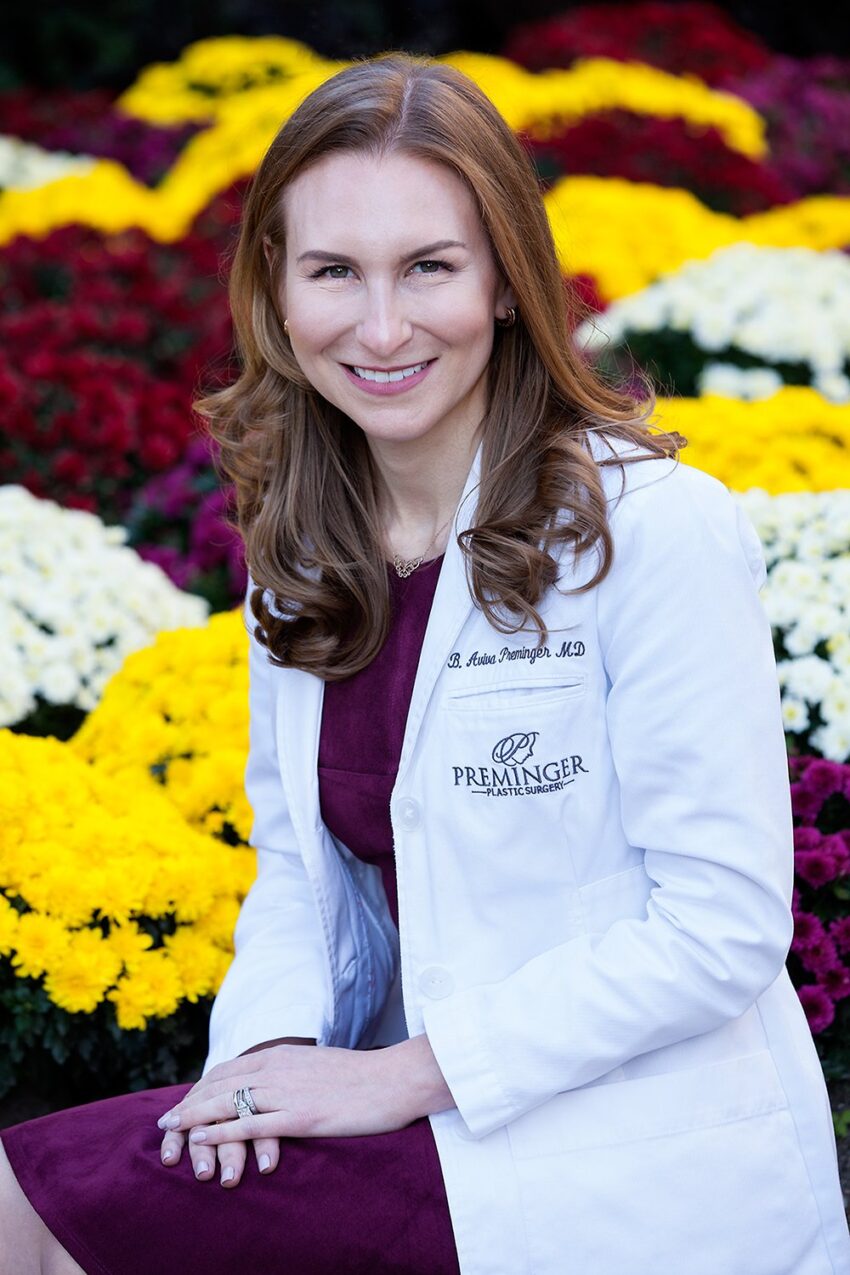
Does Choosing Plastic Surgery Mean You’re Not Thankful? A Jewish Perspective on Gratitude, Agency, and Self-Care By: By B. Aviva Preminger, MD, MPH, FACS As a plastic surgeon, I hear this question more often than one might expect-usually whispered, sometimes hesitantly, and always with a mix of curiosity and guilt: “If I choose plastic surgery, does that mean I’m not grateful for the way Hashem made me?” It’s a fair question, especially within a community that values modesty, humility, and gratitude. But like many Jewish questions, the answer is nuanced. {We Are Created B’tzelem Elokim-But We’re Also Partners in Creation Judaism teaches that human beings are created b’tzelem Elokim, in the Divine image. That alone demands respect for the body. But our tradition simultaneously teaches that we are active partners with Hashem in completing creation. The Midrash in Tanchuma famously describes Rabbi Akiva telling a Roman general that just as wheat becomes bread only through human effort, so the human body is also something we tend to, refine, and elevate. Caring for ourselves-physically, emotionally, spiritually-is part of that partnership. Plastic surgery, when done thoughtfully and ethically, is simply another expression of that responsibility. Saying “I’m thankful for what I have” and “I’d like to improve this aspect of myself” can both be true. Jewish law actually expects us to take reasonable steps to improve our well-being. The mitzvah of v’nishmartem me’od lenafshoteichem-guarding one’s health-applies not only to survival, but to quality of life. Sometimes people feel guilty or self-obsessed for wanting to look refreshed, less tired, or more confident. But confidence affects how we show up in the world-how we parent, how we work, how we interact with others. Feeling good in your own skin can strengthen your emotional and spiritual presence, not diminish it. It’s all about intention. Plastic surgery performed out of pressure, vanity, or competition rarely leads to satisfaction. But when someone comes to me with a desire to feel more like their best self-after illness, after childbearing, after weight loss, or simply as part of the natural aging process-that intention aligns with a deeply Jewish principle: valuing the gifts Hashem gave us enough to take care of them. You can be thankful for your blessings and still choose to invest in yourself. We speak often about repairing the world-tikkun olam. But the Chassidic masters remind us that any repair begins internally: tikkun atzmi, repairing the self. For some people, that process is spiritual or intellectual. For others, it includes physical steps that help them feel whole. I see this in my reconstruction patients after mastectomy, in women seeking to restore themselves after raising families, in men and women rebuilding confidence after significant life transitions. These choices are not a rejection of gratitude-they are acts of courage, healing, and self-respect. Every morning, we say Modeh Ani, thanking Hashem for returning our soul with compassion. It’s a statement of gratitude, but also a statement of renewal. Judaism does not expect us to stay static; we are supposed to grow, refine, and elevate ourselves. Plastic surgery is not for everyone-and it should never be pursued lightly-but it can be a legitimate, thoughtful part of a person’s journey toward feeling more at peace with who they are. Being thankful does not mean never changing. Sometimes it means valuing yourself enough to pursue the kind of change that helps you feel aligned and whole. At Preminger Plastic Surgery, we are committed to educating our patients and providing personalized care tailored to their unique needs. For those considering plastic surgery, we offer guidance every step of the way to help you achieve your aesthetic and wellness goals. Dr. Preminger is a board-certified plastic surgeon with degrees from Harvard, Cornell, and Columbia. For more information or to schedule a consultation, please visit premingermd. com or call 212-706-1900. Dr. Aviva Preminger is a board-certified plastic surgeon with degrees from Harvard, Cornell, and Columbia. For more information or to schedule a consultation, please visit PremingerMD. com or call 212-706-1900.
https://5tjt.com/does-choosing-plastic-surgery-mean-youre-not-thankful-a-jewish-perspective-on-gratitude-agency-and-self-care/